A Extremity
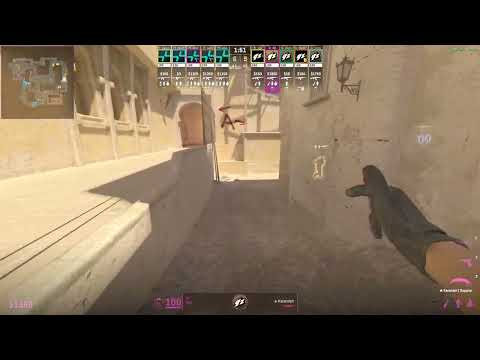
Usually starts around A Ramp, Palace, T Spawn or late Connector support timings depending on spawn, default structure and the opening plan. Can change responsibilities with the Mid playmaker, roamer or AWPer between rounds, especially when the team wants to threaten A while the rest of the map develops. The player in the role keeps A defenders honest: Ramp and Palace pressure can freeze rotations, punish isolated anchors and turn a slow default into a fast site hit.
Archive
Role averages
- K/R
- 0.620
- D/R
- 0.717
- ADR
- 68.7
- KAST
- 67.5%
- Avg. |round swing|
- 4.772
About these averages
Metric: all archived map-side rows with the exact Mirage T “A Extremity” label. Timeframe: 2024-12-18 to 2026-08-28. Sample: n=6,265.
Source: CSdex V1 aggregate performance archive. Fallback: no fuzzy role-label mapping. Risk: the average describes the archive, not the correct target for every team or round.
Pathings and possibilities from starting A Ramp
- Pressure Ramp with utility and trade spacing to force CT reactions. (Aggressive)
- Hold passive Ramp angles to punish re-peeks or information pushes. (Defensive)
- Reconnect with Mid or Palace pressure when the round becomes a split. (Situational)
Pathings and possibilities from starting Palace
- Hold Palace control to threaten late contact on the A anchor
- Support Ramp hits with timing pressure from above
- Delay presence to punish rotations after Mid or B pressure pulls CTs away
Mid-round patterns
- Maintain A-side pressure while teammates fight Mid or B Apps, making it harder for CTs to rotate freely. Teams use it in defaults where the team wants both sides of the map active before committing.
- Convert Ramp or Palace control into a split with Connector or Jungle pressure. The assignment often decides whether to explode A, hold for aggression or reset when CT utility is still strong. It fits when Mid control creates a window toward Connector.
- Lurk late around Ramp or Palace to punish rotations and isolate site players. The goal is not always first contact; sometimes the value is keeping the A anchor trapped while the final call develops elsewhere.