B Short
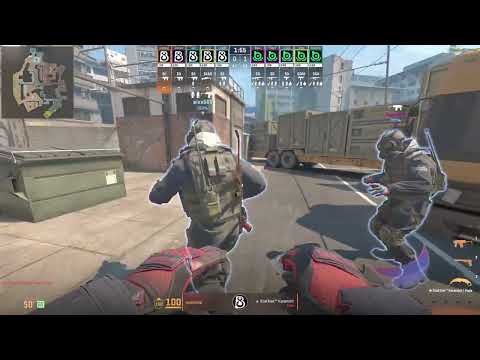
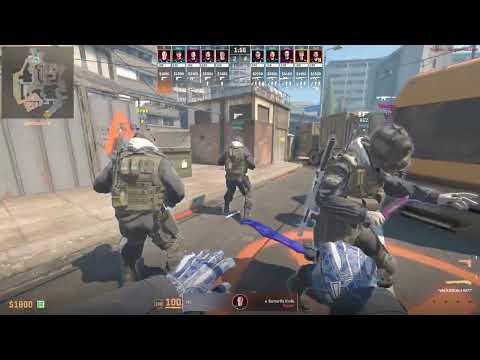
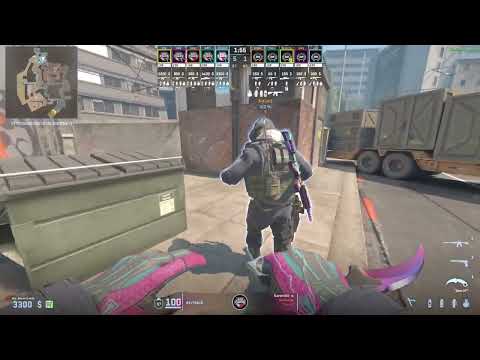
Usually starts around Water, Short, Sandbags, B Site, Pillar or Connector-side support positions depending on spawn, utility and the defensive setup. Can change responsibilities with the B Anchor, Monster player, Connector rotator or AWPer between rounds, especially when the team wants to contest Water, support Monster control or stay ready against B splits. It protects the anchor from being isolated and makes Short / Water control expensive for the T side.
Archive
Role averages
- K/R
- 0.713
- D/R
- 0.613
- ADR
- 74.9
- KAST
- 76.4%
- Avg. |round swing|
- 4.818
About these averages
Metric: all archived map-side rows with the exact Overpass CT “B Short” label. Timeframe: 2024-12-18 to 2026-08-28. Sample: n=3,197.
Source: CSdex V1 aggregate performance archive. Fallback: no fuzzy role-label mapping. Risk: the average describes the archive, not the correct target for every team or round.
Pathings and possibilities from starting Short / Water
- Fight Water / Short with flash support to deny early T control. (Aggressive)
- Hold Short passively, staying ready to trade the B Anchor or delay splits. (Defensive)
- Rotate through Connector or CT according to Monster, A or Water information. (Situational)
Pathings and possibilities from starting B Site
- Support Monster defense with flashes and crossfires
- Reposition into Short / Water if early pressure disappears
- Fall back into Site / Graffiti when the round becomes execute-heavy
Mid-round patterns
- Control Short / Water as the support layer of the B defense, making it difficult for Ts to split the bombsite cleanly. Decide whether to fight forward, hold close or fall back into Site according to utility and teammate spacing. Expect this when the CT side wants B to be stable without relying only on the Monster anchor.
- Support Monster and Site players through flashes, trades and repositioning. The goal is often to make the entry path uncomfortable rather than taking the first fight alone. It fits when Ts show B pressure, when Monster control is contested or when the B Anchor needs help surviving the first wave.
- Re-clear Water or reconnect with Connector in the mid-round to recover information and keep rotations flexible. This can allow the CT side to rotate extra players toward A or strengthen B before the execute. Teams choose it when Water pressure slows down, when Ts disappear from B or when the defense needs information before committing players.