AWPer
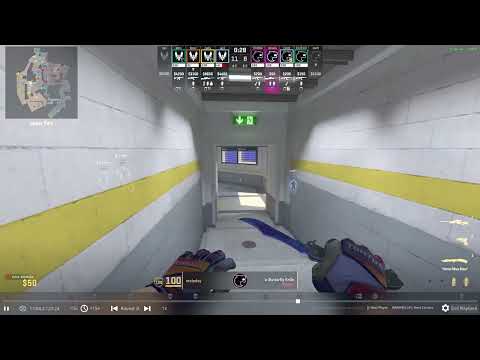
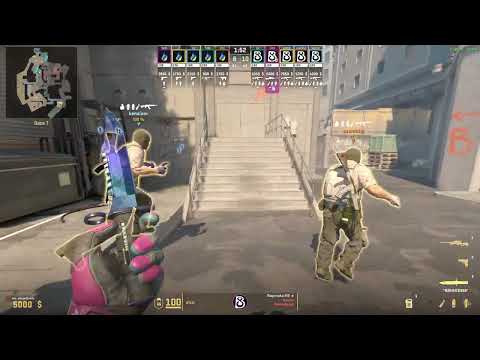
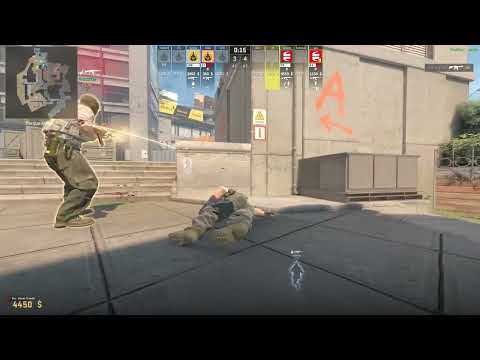
Usually starts around T Spawn, Fountain, Playground, Outside B, Connector or Party depending on spawn, default structure and the opening plan. Can change responsibilities with riflers between rounds, especially when the team wants to pressure Bathrooms, punish Connector aggression, hold rotations or create a pick before committing to a bombsite. The opening kill matters, and the T-side AWPer controls defensive movement by threatening long sightlines, punishing CT aggression and forcing rotations to respect every angle.
Archive
Role averages
- K/R
- 0.612
- D/R
- 0.672
- ADR
- 63.4
- KAST
- 67.7%
- Avg. |round swing|
- 4.813
About these averages
Metric: all archived map-side rows with the exact Overpass T “Awper” label. Timeframe: 2024-12-18 to 2026-08-28. Sample: n=3,284.
Source: CSdex V1 aggregate performance archive. Fallback: no fuzzy role-label mapping. Risk: the average describes the archive, not the correct target for every team or round.
Pathings and possibilities from starting A-side map control
- Pressure Fountain / Party / Bathrooms to punish early CT aggression. (Aggressive)
- Hold passive angles for CT pushes and protect riflers taking space. (Defensive)
- Reposition toward Long, Connector or B according to early information. (Situational)
Pathings and possibilities from starting B / Connector-side
- Hold Monster / Short aggression while teammates take Water control
- Punish Connector pushes or rotations through Mid
- Rotate back toward A once B pressure has forced CT reactions
Mid-round patterns
- Support A map control with the AWP, holding long sightlines around Fountain, Bathrooms, Long or Party while riflers clear close angles. Decide whether to take first contact, hold the trade line or stay passive to punish CT re-peeks. Expect this when the T side wants to pressure A control before deciding between a full execute, a late split or a rotation back toward B.
- Hold Connector / rotation timings to punish CT movement between sites. This can make the defense afraid to rotate, isolate anchors and give the T side more freedom to finish late. Teams use it in slow defaults, after early map control is gained or when the team wants to punish aggressive CT information plays.
- Reposition late toward B or A to create the final pressure point before the execute. The AWPer can hold the rotation, punish a site player, or cover the plant path while riflers take space. It fits when the T side has forced utility early, when CT positions are uncertain or when the round depends on turning map control into a clean final hit.