B Anchor
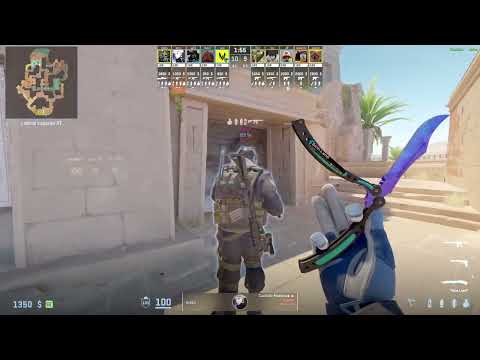
Usually starts around B Site, B Main, Pillar, Temple or Water-side support positions depending on the setup. Can occasionally start closer to Water or Connector to support early fights, create false information or help deny map control before returning to B. The player in the role has to manage pressure from multiple timings: direct B hits, Water splits and late Connector pressure can all turn the site into a difficult hold if the anchor gives up space too easily or wastes utility too early.
Archive
Role averages
- K/R
- 0.649
- D/R
- 0.659
- ADR
- 71.2
- KAST
- 72.3%
- Avg. |round swing|
- 4.751
About these averages
Metric: all archived map-side rows with the exact Anubis CT “B Anchor” label. Timeframe: 2024-12-18 to 2026-08-28. Sample: n=1,512.
Source: CSdex V1 aggregate performance archive. Fallback: no fuzzy role-label mapping. Risk: the average describes the archive, not the correct target for every team or round.
Pathings and possibilities for B starts
- Fight B Main or Water with flash support to deny early space and punish fast T pressure. (Aggressive)
- Hold B Site passively with anti-rush utility, strong positioning and crossfires. (Defensive)
- Support Water / Connector fights and rotate back into B according to the information gathered. (Situational)
Mid-round patterns
- Anchor B Site through strong positioning and utility usage while adapting to the amount of B Main, Water and Connector control Ts have taken. Set up with teammates when possible and decide whether to play close, Pillar, back site, Temple or deeper retake positions according to pressure and remaining utility. It works when information clearly points toward a B hit, advantage situations or rounds where the CT side wants to keep the setup stable.
- Play around Water / Connector connection to stay linked with the rest of the defense while still being ready to fall back into B. This allows the anchor to support map control, react faster to splits and avoid being fully isolated inside the bombsite. The setup fits default rounds, retake-oriented setups or situations where the team needs stronger rotation flexibility.
- Re-clear or pressure B Main / Water in the mid-round to recover information and deny late B hits. This can allow the CT side to rotate extra players toward A or stack B with more confidence. This makes sense when Ts slow down after early pressure, when B has been quiet for too long or when the CT side needs a proactive move in disadvantage situations.