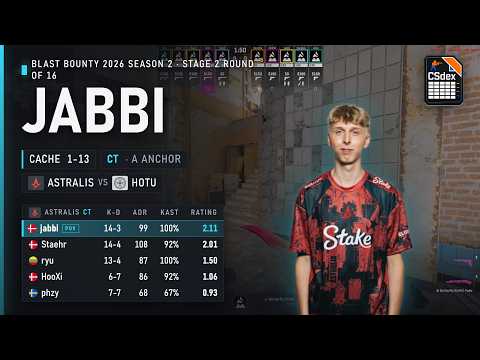
CTCache
A Anchor
Usually works from A Site, Quad, Default, Fork or another position that can see A Main or Squeaky without giving both entrances the same duel. The assignment is to keep the site playable, preserve enough utility for the actual hit and tell the rotator whether A pressure is contact, a set execute or a late fake. Forward A Main control can be useful, but the anchor's value often comes from surviving the first wave and forcing the attackers to clear a second angle before they can plant.
Opening options
- Contest A Main or Squeaky with a teammate's flash, then leave before the trade arrives (Aggressive)
- Hold a layered site angle and use a smoke or molotov to separate the first attacker from the follow-up (Defensive)
- Start deeper, let the Mid or Highway player take first information and choose the crossfire after the T setup becomes clearer (Situational)
Mid-round decisions
- When Mid is lost, account for Highway before committing to A Main. A split changes which angle is safe and often turns the anchor's first job into buying time rather than winning a clean duel.
- When A Main goes quiet, recover information only with a reason: a teammate ready to trade, a utility advantage or a timing created elsewhere. A blind re-clear can give away the only stable A defender.
- If the hit lands, move between Quad, Fork, Default and the deeper exits according to the bomb path and teammate positions. One kill plus a live crossfire is usually worth more than an isolated second swing.
What breaks the structure
- Using every piece of stall utility on the first noise and having nothing left for the execute
- Watching A Main so narrowly that Squeaky or Highway reaches the site without being counted
What to study in the POV
- Where the player stands relative to both the rotator and the crosshair angle
- The cue for fighting, falling back or accepting a retake
- How the anchor changes position after being spotted so the second T contact does not get a free pre-aim