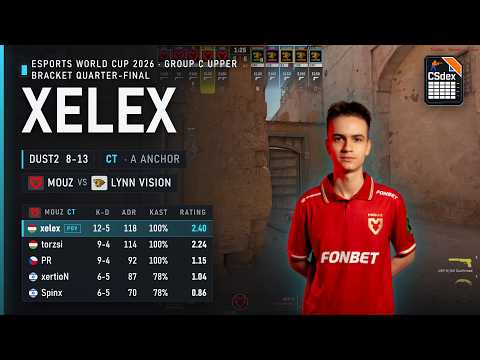
A Anchor
Usually starts around Long, Car or A Site. Can play as the main Long defender, the A Site anchor or a supportive piece for the AWPer / Short player depending on spawn, utility and the team's opening plan. The player has to balance space and survival: fighting Long can win the round early, but dying alone can leave A exposed to both Long and Short pressure. Can also start closer to CT or Mid to disguise the setup, support Catwalk control or prepare a more retake-oriented round.
Pathings and possibilities from starting Long
Fight Long Doors with flash support to deny early Long control or force Ts to spend utility. (Aggressive) Fall back into Car / A Site / Ramp after contact, keeping Long pressure delayed without overcommitting. (Defensive) Hold Long control from deeper positions and rotate according to Catwalk, Mid or B information. (Situational)
Pathings and possibilities from starting A Site / Car
Support Long fights with flashbangs and be ready to trade. Stay close to CT / Ramp rotation paths while keeping Long pressure. Stay close to support Short fights while keeping Long pressure.
Mid-round patterns
- Anchor A through Long presence, strong positioning and coordinated crossfires with the Short player or AWPer. Decide whether to hold forward, fall back to Car / Ramp or play from Site according to the amount of Long control Ts have and the utility still available. Teams choose it when the CT side wins or contests Long early, when information points toward an A hit or when the team wants to keep map control instead of falling into a full retake.
- Anchor A from Car / Ramp / Site after giving up deeper Long control. Focus on delaying the hit, surviving first contact and forcing Ts to clear multiple angles before planting. Use this when Ts have already taken Long, when the CT side is playing retake-oriented or when the team needs to preserve numbers instead of fighting for space.
- Hold or re-clear Long in the mid-round to deny late A pressure and protect the team from being split between Long and Short. This can also free the Short player / AWPer to rotate or focus on Catwalk pressure. It works when Long was contested early, when Ts slow down the round or when the CT side needs information before deciding the final stack.