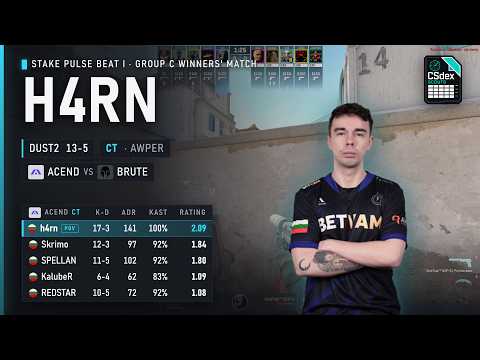
AWPer
Usually starts around Mid Doors, Long, A Site, CT Spawn or B-side angles depending on spawn, team setup and the opponent's tendencies. Can change responsibilities with the A players, Mid rotator or B support depending on whether the CT side wants early picks, passive control, Catwalk denial or fast information. Opening kills matter, and the AWPer controls the pace of the CT side, decides which lanes are dangerous for Ts to cross and forces the round to develop around his presence.
Archive
Role averages
- K/R
- 0.769
- D/R
- 0.594
- ADR
- 79.5
- KAST
- 73.8%
- Avg. |round swing|
- 5.240
About these averages
Metric: all archived map-side rows with the exact Dust2 CT “Awper” label. Timeframe: 2024-12-18 to 2026-08-28. Sample: n=6,599.
Source: CSdex V1 aggregate performance archive. Fallback: no fuzzy role-label mapping. Risk: the average describes the archive, not the correct target for every team or round.
Pathings and possibilities from starting Mid
- Peek Mid Doors to punish crosses, Lower movement or early T-side mistakes. (Aggressive)
- Hold Mid passively from CT / Doors to gather information and protect rotations. (Defensive)
- Reposition quickly toward A, Long or B according to spawn, utility and contact. (Situational)
Pathings and possibilities from starting A / Long
- Fight Long with teammate flashes to deny early control
- Hold Catwalk / A Site angles to stop A splits
- Fall back into CT / Ramp positions and stay alive for late-round impact
Mid-round patterns
- Control Mid with the AWP, using presence and timing to limit T movement through Lower, Catwalk and Mid Doors. Decide whether to keep holding, rotate toward A or support B according to utility, sound and teammate information. It fits when the CT side wants stable information and strong rotation control.
- Take or support Long / Catwalk fights to prevent Ts from building a comfortable A split. The AWPer can either take first contact, hold the fallback angle or punish Ts crossing into the site after teammates delay them. Teams choose it when the CT side expects A pressure, has strong Long spawns or wants to contest space early.
- Reposition constantly after contact or missed information, avoiding predictable angles and keeping Ts unsure where the AWP is holding. This matters because staying too static can make the AWP easy to smoke, flash or avoid. It suits slow defaults, late-round situations or rounds where the AWPer needs to create impact without overcommitting.