TTrain
B Extremity
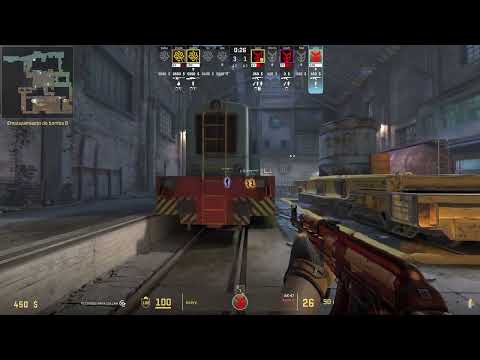
Usually controls the B-side edge of the default from the upper or lower approach and nearby halls. The extremity protects against a CT information push, keeps the B anchor occupied and preserves a late route that can become a contact hit, full execute or rotation punish. Because the player is often separated from the main group, every duel needs a clear purpose and a plan for the bomb.
Archive
Role averages
- K/R
- 0.641
- D/R
- 0.744
- ADR
- 71.1
- KAST
- 66.5%
- Avg. |round swing|
- 4.880
About these averages
Metric: all archived map-side rows with the exact Train T “B Extremity” label. Timeframe: 2024-12-18 to 2026-08-28. Sample: n=1,501.
Source: CSdex V1 aggregate performance archive. Fallback: no fuzzy role-label mapping. Risk: the average describes the archive, not the correct target for every team or round.
Opening options
- Take supported B approach space and force the anchor to reveal utility, position or help (Aggressive)
- Hold for CT aggression while the rest of the team builds outer-yard control (Defensive)
- Delay the B presence, then use sound and teammate pressure to choose between a late hit, rotation cut or regroup (Situational)
Mid-round decisions
- Track which B utility has been spent and whether a second defender was seen. That determines whether the extremity is holding one player, two players or only an empty story.
- When committing, clear the upper and lower relationship before chasing the site. The vertical split can isolate the anchor, but poor timing lets the defender fight each level separately.
- If the team finishes A, hold the useful rotation only while it affects the plant or post-plant. Staying on B after the CT route changes turns pressure into absence.
What breaks the structure
- Taking an isolated B duel that cannot be traded and reveals the only late route
- Keeping the bomb at the extremity without enough information or support to recover it
What to study in the POV
- How the player confirms B attention without overexposing the position
- The timing between upper, lower and any Connector pressure
- When the role stays as a lurk, becomes an entry or gives up B to regroup