TTrain
Popdog
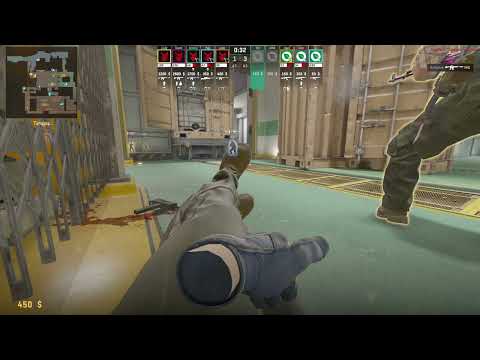
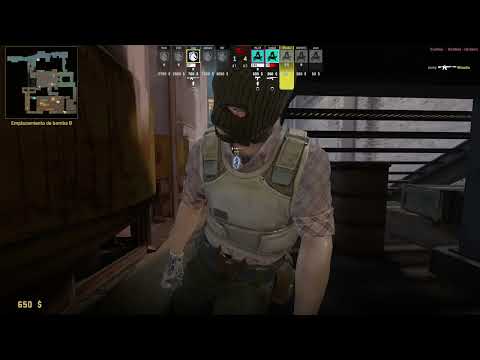
Usually works around the ladder room and the route into A. Popdog gives the T side a compact central threat: it can support outer-yard control, punish a CT information play or become the middle point of a T Main and Ivy split. The narrow drop is dangerous, so the player must use sound, utility and teammate pressure to avoid arriving as a free isolated duel.
Archive
Role averages
- K/R
- 0.592
- D/R
- 0.766
- ADR
- 67.0
- KAST
- 66.5%
- Avg. |round swing|
- 4.761
About these averages
Metric: all archived map-side rows with the exact Train T “Popdog” label. Timeframe: 2024-12-18 to 2026-08-28. Sample: n=1,480.
Source: CSdex V1 aggregate performance archive. Fallback: no fuzzy role-label mapping. Risk: the average describes the archive, not the correct target for every team or round.
Opening options
- Take ladder control, punish a forward defender and drop behind synchronized T Main pressure (Aggressive)
- Hold the CT push or ladder re-clear while preserving the option to join either phase of the round (Defensive)
- Delay the drop until T Main or Ivy contact turns the nearest defenders away, then attack the side or rotation lane (Situational)
Mid-round decisions
- Keep Popdog control useful by communicating whether the room is owned, contested or only being watched. Teammates build their A spacing around that difference.
- Before dropping, know the first train, trade route and follow-up. The player has little room to recover if the landing point and second duel are improvised.
- If the A split is cancelled, use Popdog to hold a push, sell presence or reconnect with the bomb. Remaining hidden is valuable only while it changes CT decisions.
What breaks the structure
- Dropping before another lane has forced the A defenders to divide their attention
- Losing the ladder room without telling the team that CTs now have a central information route
What to study in the POV
- The sound and utility cues that make a drop safe enough to attempt
- The spacing between Popdog contact and the T Main entry
- How the player clears the landing, chooses the next train and reconnects with the bomb