TTrain
Ivy
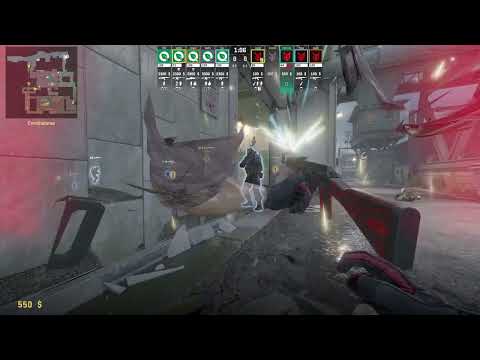
Usually starts toward Ivy and owns the long A-side extremity. The player denies a free CT push, draws attention away from T Main and creates a flank or split route into the outer yard. Ivy pressure can remain quiet for a long time, but it must stay synchronized with the team's control elsewhere or the player becomes easy to isolate behind utility.
Archive
Role averages
- K/R
- 0.617
- D/R
- 0.743
- ADR
- 68.3
- KAST
- 65.9%
- Avg. |round swing|
- 4.718
About these averages
Metric: all archived map-side rows with the exact Train T “Ivy” label. Timeframe: 2024-12-18 to 2026-08-28. Sample: n=1,468.
Source: CSdex V1 aggregate performance archive. Fallback: no fuzzy role-label mapping. Risk: the average describes the archive, not the correct target for every team or round.
Opening options
- Fight for Ivy with an AWP or rifle setup and utility that removes the defender's first line (Aggressive)
- Hold the push, preserve the late route and make the Ivy defender stay honest while teammates work T Main and Popdog (Defensive)
- Take partial space, draw a response and delay the final exit until outer-yard pressure turns the defender away (Situational)
Mid-round decisions
- Read the defender's depth through utility, sound and teammate contact. The correct next step may be a duel, a smoke-supported cross, a late walk or a full regroup.
- Coordinate the Ivy exit with T Main or Popdog. The lane is strongest as a side angle against occupied defenders, not as a solo run into a prepared crossfire.
- After reaching the yard, choose between site pressure, rotation denial and post-plant coverage. Continuing to lurk without a target can leave the team fighting short-handed.
What breaks the structure
- Showing the Ivy timing before the central group can force defenders to look elsewhere
- Assuming the route is safe because the first CT fell back, then walking into the deeper crossfire
What to study in the POV
- How utility reveals the defender's chosen depth
- The timing relationship between Ivy, T Main and Popdog
- The moment the player stops controlling the extremity and commits to the shared objective